
Fasting blood sugar gradually rises over the years before a classic symptom appears. Type 2 diabetes, which accounts for the vast majority of cases, often remains silent for a long time because the body compensates for insulin resistance with an overproduction of insulin. When the first signs of diabetes become noticeable, chronic hyperglycemia has often already caused vascular or peripheral neurological damage.
Early skin signs of diabetes: what the skin reveals before blood sugar
The triad of thirst-polyuria-fatigue dominates popular articles. However, we observe that some patients first consult a dermatologist, unaware of a metabolic disorder. Skin lesions can sometimes precede the diagnosis of type 2 diabetes by several years.
Acanthosis nigricans is the most documented example: brownish, thickened, and velvety areas appear on the neck, armpits, or groin. This sign indicates compensatory hyperinsulinemia, characteristic of the prediabetes stage. It is easily noticeable in front of a mirror or in the shower, but is rarely associated with diabetes by the patients themselves.
Other dermatological manifestations deserve special attention. Chronic itching without an identifiable allergic cause, recurrent skin infections (candidiasis, folliculitis), or persistent dryness can be the first reason for consultation even before hyperglycemia is discovered. To understand how diabetes symptoms manifest beyond these dermatological signs, one must look into the renal glucose filtration mechanism.

Polyuria and polydipsia: the renal threshold of glucose as a trigger
The kidney begins to allow glucose to pass into the urine beyond a blood sugar level of about 1.80 g/L. This threshold, known as the renal threshold for glucose, explains why polyuria and thirst only manifest at a relatively advanced stage of hyperglycemia. As long as blood sugar remains below this level, the renal tubules reabsorb all the filtered glucose.
When this threshold is exceeded, glucose pulls water along by osmotic effect. Urine volume increases, dehydration sets in, and thirst becomes intense. We recommend not to trivialize recent nocturia (more than two nighttime trips to urinate) in an adult over 40, especially in the presence of metabolic risk factors.
Differentiating diabetic polyuria from other causes
A high coffee intake, diuretic treatment, or a urinary infection can also cause frequent urination. The difference lies in the volume: diabetic polyuria typically produces more than 3 liters of urine per day, with pale and abundant urine at each urination. If this volume is accompanied by weight loss despite a preserved appetite, it becomes a priority to check fasting blood sugar levels.
Fatigue and weight loss: when glucose no longer enters the cells
Insulin allows glucose to cross the cell membrane to be used as an energy source. In the case of a relative (type 2) or absolute (type 1) deficiency, cells are deprived of their main fuel despite a high blood sugar level. The body then turns to lipid and protein reserves, leading to sometimes rapid weight loss.
This involuntary weight loss is accompanied by profound fatigue, different from the tiredness associated with lack of sleep. It persists after rest and affects both intellectual concentration and physical endurance. In young individuals, a loss of several kilos in a few weeks without dietary changes strongly suggests a sudden onset of type 1 diabetes.
The trap of compensatory polyphagia
To compensate for cellular energy deficiency, appetite increases. This mechanism, polyphagia, complicates the picture: the patient eats more but continues to lose weight. In type 2 diabetes, this sign is more subtle as insulin resistance develops gradually. In contrast, in type 1, the triad of polyuria-polydipsia-polyphagia sets in within weeks, making the diagnosis more evident.
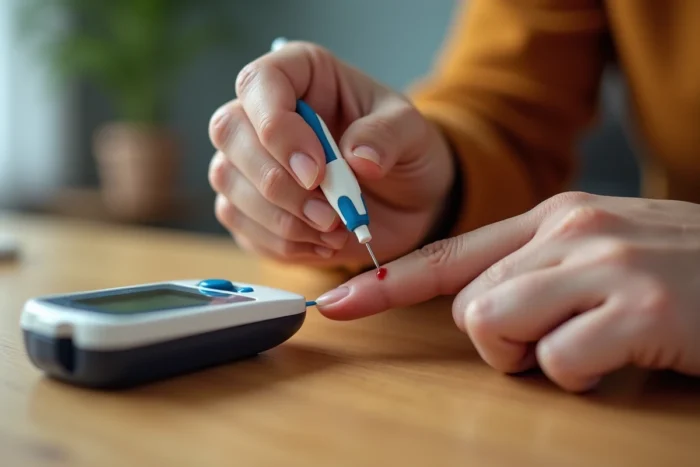
Diagnosis of diabetes: fasting blood sugar, HbA1c, and identifying asymptomatic forms
An increasing proportion of type 2 diabetes is detected through routine testing, without any symptoms. Blood sugar rises so gradually that the body adapts, and the patient feels nothing unusual for years. This is why systematic screening in at-risk individuals remains the most effective lever.
Two tests allow for diagnosis:
- Fasting blood sugar, measured from a venous sample after at least 8 hours without caloric intake. A result confirmed above the pathological threshold on two occasions establishes the diagnosis.
- Glycated hemoglobin (HbA1c), which reflects the average blood sugar levels over the past two to three months. It allows for the assessment of chronic glucose exposure, independent of occasional fluctuations.
- Post-load blood sugar (OGTT), reserved for doubtful cases or for screening gestational diabetes, which measures the glycemic response after ingestion of a standardized dose of glucose.
When to request screening without waiting for symptoms
We recommend fasting blood sugar testing for anyone with abdominal obesity, a family history of first-degree diabetes, a history of gestational diabetes, or polycystic ovary syndrome. Waiting for thirst or polyuria to consult amounts to diagnosing the disease after several years of silent hyperglycemia.
Peripheral neurological signs (tingling in the hands or feet, numbness, burning sensation in the soles) already indicate damage to small nerve fibers. Intermittent blurred vision, related to osmotic variations of the lens, is also a late signal. These manifestations are not “first signs” in the strict sense: they indicate that hyperglycemia has been present for a long time.
Early detection of diabetes relies less on waiting for symptoms than on an active screening approach in at-risk individuals. A simple blood test is enough to dispel doubts, and an early diagnosis radically changes the long-term prognosis.