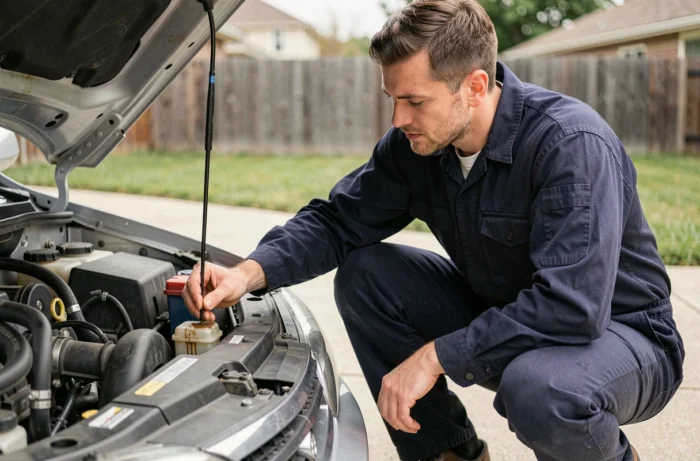
A check engine light coming on during a commute, a dead battery on a January morning, worn brake pads discovered during a technical inspection: we all know these situations. Maintaining your car on a daily basis and making the right choices when purchasing are two sides of the same coin. One does not work without the other.
The true cost of a car: the expenses we underestimate at purchase
When choosing a vehicle, we often compare the purchase price and fuel consumption. We forget that fixed costs – insurance, depreciation, parking – represent the majority of the monthly bill, even when mileage remains stable.
This observation changes the way we think. Comparing two cars solely on the price at the pump is misleading. A cheaper model at purchase but which depreciates quickly and is expensive to insure can sometimes end up costing more over five years than a vehicle with a higher catalog price.
Before signing, it’s wise to lay out the numbers for a full year: monthly payment or total cost of ownership, insurance, expected maintenance, and estimated resale value. It’s by cross-referencing these items that you get the true car budget, not just by looking at the dealer’s price sticker. To structure this thought process, Mon Guide Auto’s car advice precisely covers the criteria to compare based on each type of engine.
Maintenance of electric vs. thermal cars: what changes concretely
On an electric vehicle, you eliminate engine oil changes, the clutch, the timing belt, and the exhaust system. The absence of these wear parts significantly reduces the annual maintenance budget. On a thermal model, these operations represent a significant portion of expenses after a few years.
This does not mean that an electric vehicle requires no maintenance. Tires can wear out faster due to instant torque. The brakes, used differently thanks to regenerative braking, last longer but still need to be checked.
The trap of the traction battery on used cars
The technical inspection of an electric vehicle covers certain specific elements (charging cables, battery compartment), but it does not measure the actual remaining capacity of the traction battery. Therefore, you can receive a favorable report on a vehicle whose battery has lost a significant portion of its original range.
When purchasing a used electric vehicle, requesting a dated battery report associated with the specific vehicle remains the only reliable way to know what you are buying. Without this document, you are negotiating in the dark.
Service and technical inspection: two operations that are often confused
You often hear “my car passed the inspection, it’s in order.” In reality, the technical inspection checks the regulatory compliance of the vehicle at a given moment. It does not replace a manufacturer’s service, which focuses on the preventive wear of parts and the replacement of consumables.
A successful technical inspection does not guarantee that the next oil change or filter replacement is not overdue. These are two complementary processes, not interchangeable.
- The technical inspection is mandatory at regulatory intervals and covers safety points (braking, lighting, pollution, steering).
- The service follows the manufacturer’s maintenance schedule and includes oil changes, filters, belts, spark plugs according to mileage.
- A vehicle can fail the technical inspection while being up to date on service, and vice versa.
Choosing a trusted auto garage: concrete signals
We often hesitate between the manufacturer network, auto center, and independent mechanic. The hourly rate varies, but that’s not the only criterion. Transparency on the estimate, traceability of the parts used, and the possibility of retrieving replaced parts are equally important.
A reliable garage agrees to detail the estimate line by line, specifies the origin of the parts (manufacturer, supplier, compatible) and does not charge for operations not previously approved. Always requesting a written estimate before any intervention protects against unpleasant surprises.
Feedback varies on this point depending on the brands and regions, but a simple reflex works everywhere: compare at least two estimates for the same operation. The price difference often reveals variations in parts or billed labor time.
Rising auto budget: adapting maintenance habits
The average car budget for the French continues to rise, even without driving more. In light of this reality, a few habits can help limit expenses without sacrificing safety.
- Respecting oil change intervals prevents costly repairs related to an inadequately lubricated engine.
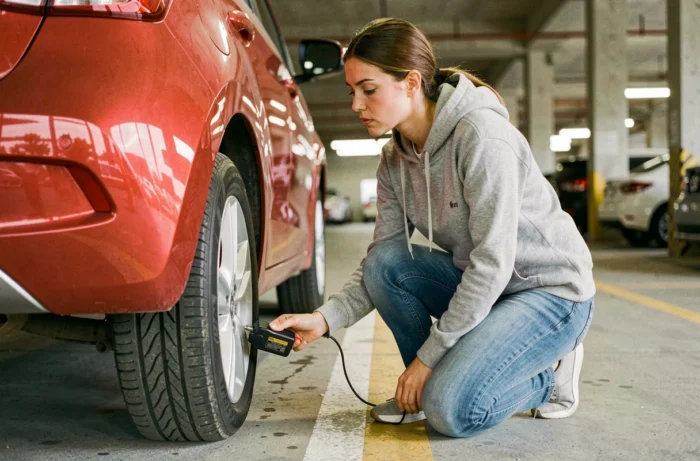
- Checking tire pressure once a month reduces premature wear and fuel consumption.
- Replacing windshield wipers as soon as they leave streaks costs a few euros and avoids a rejection at the technical inspection.
- Regularly cleaning the vehicle, both inside and out, preserves resale value in the long term.
Regular maintenance remains the cheapest lever to avoid costly repairs. A clogged air filter, coolant below the minimum level, or worn brake pads do not give warning signs before causing damage.
The Euro 7 standard, which introduces requirements on battery durability, will gradually change the criteria to monitor when purchasing a new vehicle. Keeping an eye on these regulatory developments is now part of useful reflexes, just like checking fluid levels under the hood.